
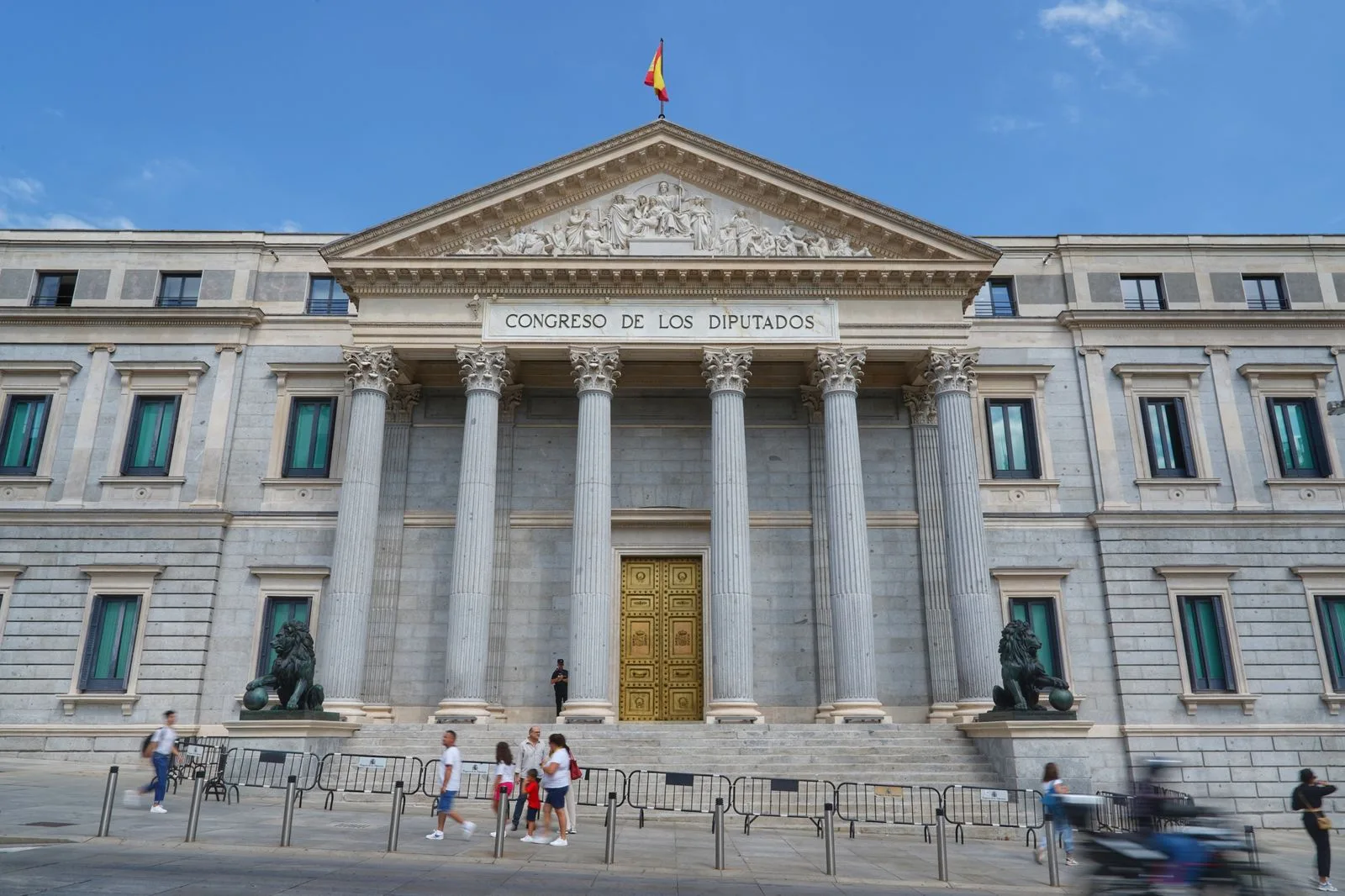
On 29 November, Spaniards elect a new parliament, almost two months after Pedro Sánchez dissolved the old one when his housing decrees were voted down. The campaign proper only starts on 13 November, according to the royal decree that called the vote. But one institution has already given its verdict, and it is a remarkable one.
According to the Centro de Investigaciones Sociológicas, the state-funded pollster known as the CIS, Sánchez's Socialists are cruising. Its October barometer, published on 14 October, gives the PSOE 34% of the vote, the conservative Partido Popular 22.2% and Vox 17.1%. That is a Socialist lead of 11.8 points.
Now look at everyone else.
One country, two electorates
Sigma Dos for El Mundo has the PP on 31.5% and the PSOE on 25.3%. GAD3 for ABC: PP 31.4%, PSOE 26.4%. Sociométrica for El Español: PP 32.6%, PSOE 26.2%. In seats, the surveys compiled by El Confidencial give the PP and Vox together somewhere between 197 and 207 of the 350 seats, comfortably above the 176 needed for a majority. Even 40dB for El País, the paper of Spain's centre-left establishment, puts the right on 198.
So the private pollsters, working for newspapers of every leaning, broadly agree: the PP is ahead by five to nine points. The state pollster, paid for by every Spanish taxpayer, has the PSOE ahead by twelve. That is not a difference of methodology. It is a different country.
The model with the boss's name on it
The CIS does at least publish its workings, and they are worth a look. In the vote-estimate document for the October barometer, the raw answers are there: of 5,025 people interviewed, 25.3% said they would vote PSOE, 14.7% PP and 11.6% Vox. Another 17.3% said they did not know.
From that raw material, the CIS produces its estimate using what it calls, in so many words, the "two-dimensional inertia-uncertainty model Alaminos-Tezanos". The Tezanos in question is José Félix Tezanos, the veteran Socialist party figure whom Sánchez's government installed at the head of the CIS in 2018, and who still runs it. El Confidencial simply calls it "Tezanos's CIS".
There is nothing illegal about any of this. To its credit, the CIS releases its microdata and says openly that anyone can apply their own models, which "may give rise to estimates different from those of the CIS". It is a polite way of saying: if you don't believe us, do it yourself. Many have. They keep getting a different answer.
Why it matters even if nobody believes it
You might think a poll nobody trusts is harmless. It is not.
First, it costs money. The CIS is a public body, and its barometers are paid for by the same taxpayers who are told by its president that the party which appointed him is winning.
Second, it shapes the story. Every CIS release gives the government's spokespeople a "the polls are wrong" line, and gives friendly media a headline. In a campaign where the left is already split, with Ada Colau's new Frente Amplio and Podemos failing to agree a joint list, a state poll that shows the PSOE comfortably first is a powerful argument for left-wing voters to rally to the Socialists rather than to the smaller parties.
Third, and most corrosive, it teaches citizens that even neutral institutions are just another arm of the government of the day. Spain is not unusual in having that problem. It is unusual in printing it on official letterhead every month.
Spaniards have seen this film before. In the 2023 general election, the CIS's final pre-election survey put the PSOE ahead. The PP won the most votes.
Brussels is watching the wrong screen
There is a European postscript. The EU has spent years building tools against "disinformation" and foreign interference in elections, and the Commission talks a great deal about protecting democracy from manipulation. That is fine, as far as it goes. But damage to trust in European elections often comes not from a Russian bot farm but from national governments bending their own institutions, from public broadcasters to statistics offices, to suit the party in power. Don't expect Brussels to say a word about a member state's pollster carrying its president's name on its methodology. That is the kind of problem the EU's political class prefers not to see in a friendly government.
The only poll that counts
None of this means Sánchez is finished. He has been written off before, in 2016 and again in 2023, and he has a gift for turning elections into a referendum on his opponents, especially Vox. The private polls could be wrong, and Feijóo's PP may yet need Vox in ways that frighten moderate voters.
But a democracy deserves a referee that is not wearing one team's shirt. Spain's state pollster has become a campaign accessory, and the gap between its numbers and everyone else's is the clearest measure of how far it has drifted. On 29 November the voters will publish the only survey that matters. If the CIS turns out to be twelve points out again, the next government, whoever leads it, should do something radical: hand the pollster to someone nobody can accuse of having a favourite.