
The same weekend, the same anger, the same smashed shop windows. On Saturday 17 October, cost-of-living marches in France and northern Italy were hijacked by people who had come to loot. By the following Thursday the two governments had given two very different answers, and the difference says a lot about where Europe's political centre of gravity is heading.
France gave a speech and then a map of where you are no longer allowed to march. Lyon banned all protests for Saturday. Italy gave a law.
"If you break something, you pay"
On Tuesday 20 October, Giorgia Meloni's cabinet approved a decree that took effect immediately. She explained it herself in a video, and the official English translation reads less like a government communiqué than a note from a headmistress.
There is a new crime of "violent participation in a protest": join a group of five or more and start throwing stones, firecrackers or sticks, and you risk up to five years in prison and a fine of up to €20,000, more if your face was covered or someone got hurt. Then comes the principle, in her words: "if you break something, you pay, and if you break something and you're under 18, then your parents pay." Damage a bus shelter and the prefecture sends a payment order to your house. Smash a shop window and the owner can get an immediately enforceable order, collectable from the family's assets "and even any money the State may owe them".
Teenagers aged 14 to 18 will now be presumed to understand what they are doing unless proven otherwise, a change already before parliament that the decree makes effective at once. Preventive detention can now apply to minors. And 500 more soldiers go to Milan until the end of the year.
You do not need to like Meloni to see what she has grasped and Paris has not. The French state answered its riot by restricting everyone. The Italian state answered by pricing the riot, and sending the invoice to the people most able to prevent the next one: mum and dad.
Who was actually in the square
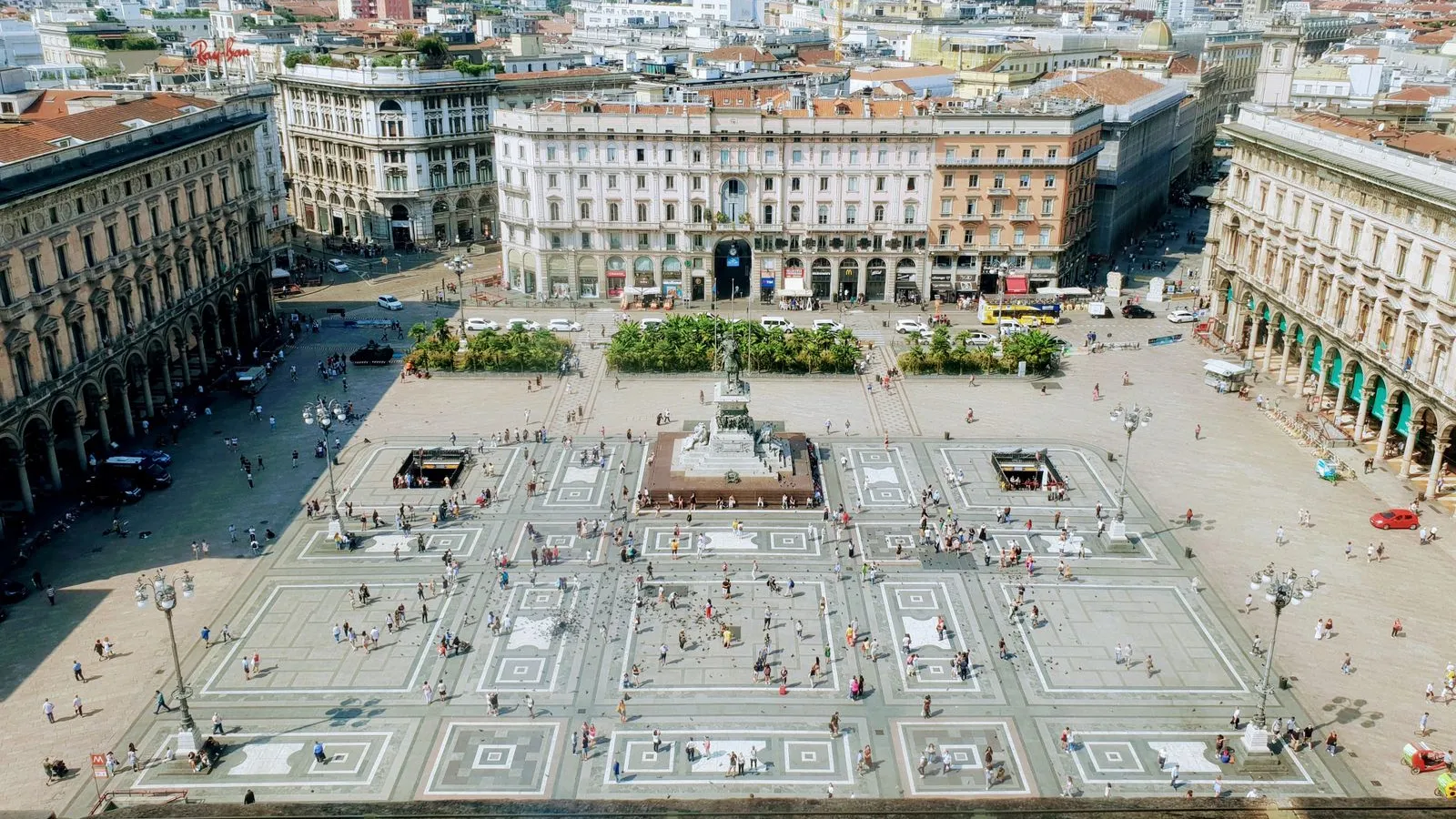
Meloni's account of the Milan weekend is worth reading in full, because it is more uncomfortable than the usual "fringe agitators" line. Yes, she said, the usual professional troublemakers turned up. But alongside them were "hundreds of very young people, very many of them under the age of 18", called together by a video on social media, who came "to smash things and steal while filming themselves doing it". The youngest minor identified in Milan, she said, is reportedly 11 years old.
Italian reporting backs up the outline. The Milan march was called by Italia in Piazza, a new, largely leaderless network that organises on Telegram, Instagram and TikTok, Il Post reported; its organisers say the violence came from separate masked groups.
Meloni's figures: almost 200 officers injured, roughly €1 million of damage in Milan alone according to the shopkeepers' federation Confcommercio, and 330 people detained or arrested, "half of whom are of foreign origin – either born abroad or born in Italy to foreign families". That last figure is hers and hers alone, and it will be fought over. But a government that publishes the number is at least admitting there is a question, which is more than most European interior ministries manage.
Where a conservative should still hesitate
None of this means the decree is beyond criticism, and a paper that believes in limited government should say so.
According to AFP, police will now be able to detain 14-to-17-year-olds who have not committed a crime, if there is evidence they pose a danger. That is a power many on the right would scream about if a left-wing government handed it to the police. And the soldiers are a symbol more than a solution: the cabinet did not give them policing powers after opposition from President Sergio Mattarella, Italian media reported, according to AFP. Five hundred troops guarding buildings in Milan look firm on the evening news. They do not catch a 15-year-old with a phone and a hammer.
There is also the small matter of enforcement. A payment order is only as good as the state's ability to identify the person who threw the brick and find their parents. Italy, like France, has been better at passing tough laws than at applying them. Meloni knows this; she spent part of her video demanding that existing rules, including her earlier "security decrees", actually be "strictly enforced".
The bit nobody in Brussels wants to talk about
Strip the looting away and both countries are dealing with the same thing. The Milan demonstrations were driven by anger over fuel and energy prices, rents, low wages and public services, AFP reported. In the south, truck drivers furious about diesel prices have been blocking roads. Meloni was careful to separate the farmers, the hauliers and the steelworkers of the former Ilva plant, whom her government is "listening to", from the people who emptied the shops.
That distinction matters, because the peaceful protesters have a point. The energy shock that drove them into the street is the same in Lyon as in Milan. And here is the detail that should embarrass Brussels: when EU leaders met on 15 and 16 October, the day before the riots, Italy and Greece backed Czechia and its Visegrád partners in asking for ETS2, the EU's new carbon price on road fuel and home heating, to be reviewed and pushed back to at least 2030. Germany and others opposed them, Radio Prague reported. So the plan, for now, is still to put an extra price on petrol and heating from 2028, in a continent where people are rioting over petrol and heating. The leaders also went home without a deal on the next seven-year budget. When the bill for all this arrives, it arrives in national capitals, and it is national leaders who have to answer for it.
Italy goes to the polls in 2027. Meloni's bet is that voters will reward a government that treats looting as theft rather than as sociology. France votes in six months, and its president's bet is that banning the march will buy calm. One of them is going to be proved right. On current evidence, it is not the one in Paris.