
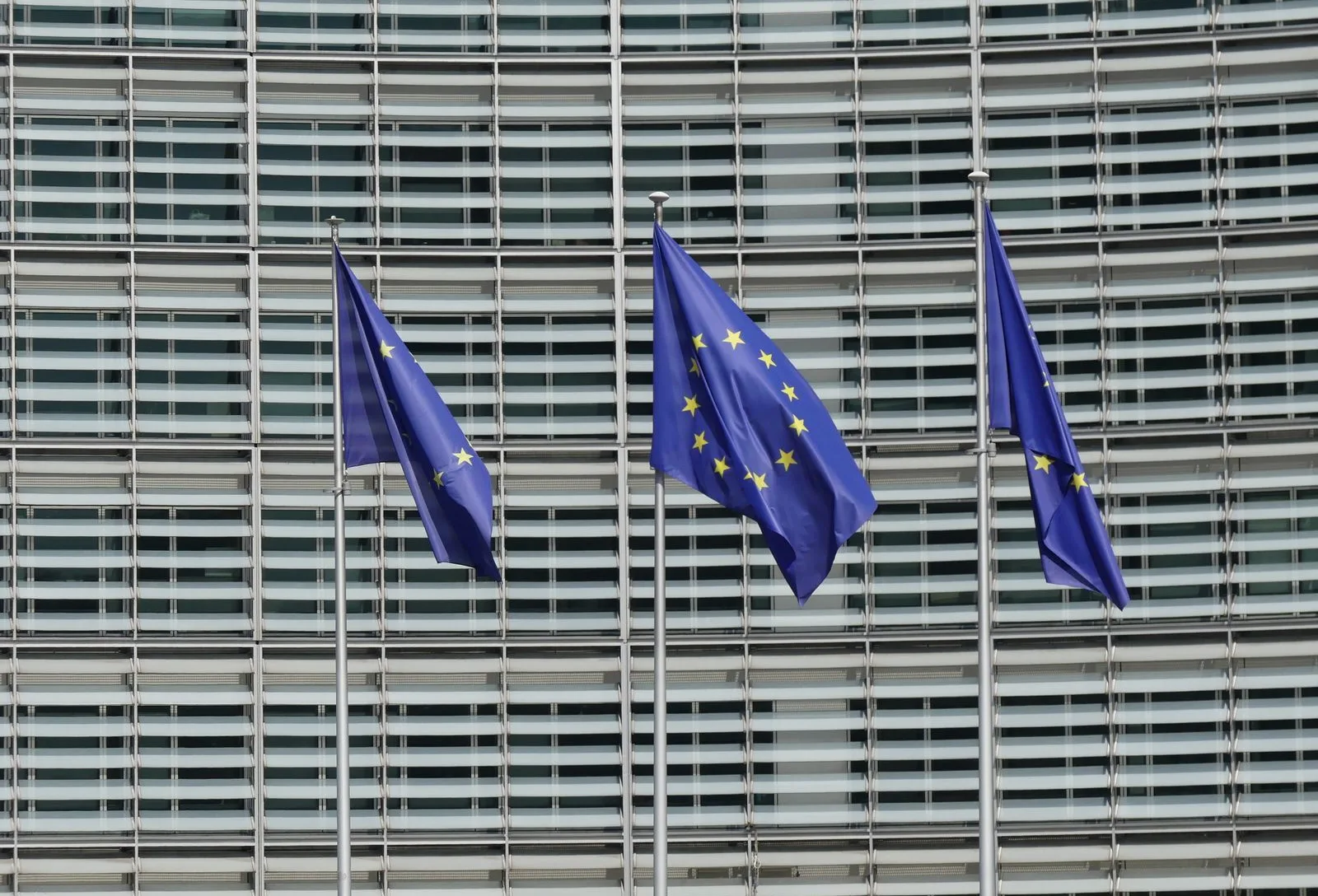
In July 2020, after four nights of haggling, EU leaders did something Berlin and the thrifty north had resisted for a decade. They let the European Commission borrow hundreds of billions of euros in the Union's name. To calm the nervous, they wrote the reassurance straight into the summit conclusions: the borrowing powers were "clearly limited in size, duration and scope". New net borrowing would stop "at the latest at the end of 2026".
Mark the date. The end of 2026 is six weeks away.
On Wednesday the Commission proposed borrowing another €45 billion on the capital markets, guaranteed by the EU budget, to keep Ukraine solvent and armed through 2027. It is a different legal instrument from the pandemic fund, and the lawyers will tell you the 2020 deadline does not apply. They are right. That is exactly the problem. The emergency exit was never locked. Brussels simply keeps building new doors.
How a taboo becomes a habit
It is worth remembering how big the taboo was. In 2012 Angela Merkel told her coalition partners there would be no shared European debt liability "as long as I live", Der Spiegel reported. Eight years later, Covid did what the eurozone crisis could not, and she co-sponsored the recovery fund herself. Fine: a once-in-a-century pandemic, a once-in-a-century exception.
Germany's constitutional court agreed, just about. In 2022 it waved the fund through because it was temporary, exceptional and tied to a specific purpose, but warned that it would be "manifestly impermissible" for the EU to borrow on capital markets for general financing, as Politico reported.
Then the exceptions started arriving like buses. In May 2025 came SAFE, up to €150 billion in defence loans, funded by EU borrowing. In December 2025 came the €90 billion Ukraine loan, also borrowed. Now comes €45 billion more, which "largely copies" the last one, as EUobserver puts it. And the Commission's draft for the next seven-year budget, the European Court of Auditors points out, would allow still more borrowing, including a crisis instrument of up to €395 billion.
Each was an emergency. Each was justified. Put them in a row and they stop looking like exceptions and start looking like a policy. The auditors say outstanding EU borrowing hit €738.9 billion at the end of 2025 and could reach about €1 trillion by 2027, Euronews reported. Their president, Tony Murphy, felt he had to remind people that this is not "virtual money": "it's real debts, which have to be paid back," he told reporters.
Yes, Ukraine needs the money
Let us be clear about what this is not. It is not an argument for letting Ukraine run dry. A Russian victory would cost Europe far more than any loan, and Kyiv cannot borrow its way out alone: its public debt has nearly doubled as a share of GDP since before the invasion, to 90% this year, according to the Commission's own proposal. Valdis Dombrovskis called the support "not only the right thing to do, but also the smart thing to do". On the destination, he is right.
The argument is about the vehicle. And about the label on it.
The loan nobody expects back
We argued in October that a loan repayable only when Vladimir Putin pays reparations is a grant with a lender's paperwork. The Commission has now repeated the trick, and its officials have stopped pretending otherwise. "I will be long retired, and probably worse than that, before this money comes back," one senior official joked to journalists, according to EUobserver.
Meanwhile somebody pays the interest. Technically Ukraine owes it from 2028. In practice the EU expects to provide a "borrowing cost subsidy", likely covering all of it, at an estimated €2 billion to €2.5 billion a year, Reuters reported. One official put the EU's borrowing costs for Ukraine over the next budget period at around €42 billion, shared out by national income. That is the bill. It lands on national treasuries, which is to say on voters who were never asked.
Russia's money, served as a garnish
There was a way to send the bill to Moscow. Roughly €210 billion of Russian central-bank assets sit immobilised in Europe, Euronews notes. Last December leaders tried to turn them into a "reparations loan" and hit a wall over Belgium's demand for unlimited guarantees, so they borrowed instead.
This time the Commission offers the profits, not the assets. The windfall earned on those balances, typically €4 billion to €6 billion a year according to Reuters, may help repay the new loan, but only after it has finished paying off the G7 loans of 2024. Brussels also "reserves its right" to use the assets themselves. Leaders have been reserving it since last December; the assets have been frozen since 2022. The Kremlin has yet to notice.
So the main course is European debt, and Russia's money is the garnish. If Belgium's legal risk is the obstacle, the honest fix is for the big capitals to share that risk openly, not to load it onto every taxpayer by stealth.
The opt-out that isn't
Then comes the comedy of unanimity. Hungary, Slovakia and Czechia stayed out of the €90 billion loan and, with Bulgaria, want out of this one. Friedrich Merz has threatened to block the EU's next seven-year budget unless everyone takes part, the Guardian reports; Slovakia's Robert Fico calls that "blackmail", Euronews reports. Ursula von der Leyen, siding with Berlin, says she is "very confident that we will agree by 27", and offers the reluctant a fig leaf: they can "indirectly assign their commitments towards the civilian part".
Money is fungible. A euro that pays a Ukrainian teacher frees a Ukrainian euro for a drone. Everyone in the room knows it. The point of the fig leaf is not to change what the money does but to change what a prime minister can say about it at home. Note also who is now insisting that every country must shoulder common EU debt: a German chancellor from Merkel's own party.
Von der Leyen has a slogan for building the new loan into the next budget: "shared budget, shared responsibilities." That is a fine definition of a fiscal union. It is not one that any treaty change, national referendum or European election campaign ever put to voters.
What a grown-up Europe would do
Supporting Ukraine and respecting voters are not opposites. Pay for Kyiv openly, through national budgets or national guarantees that parliaments actually vote on. If Europe wants permanent common borrowing, have that argument in public and write it into the treaties. And let the auditors' basic demand come first: the Commission has still not published an overall plan to repay the pandemic debt by 2058.
Milton Friedman liked to say that nothing is so permanent as a temporary government programme. Brussels' one-off at least has a repayment date: 2058. Its sequels are to be repaid when Russia pays, a date nobody in Brussels can name.